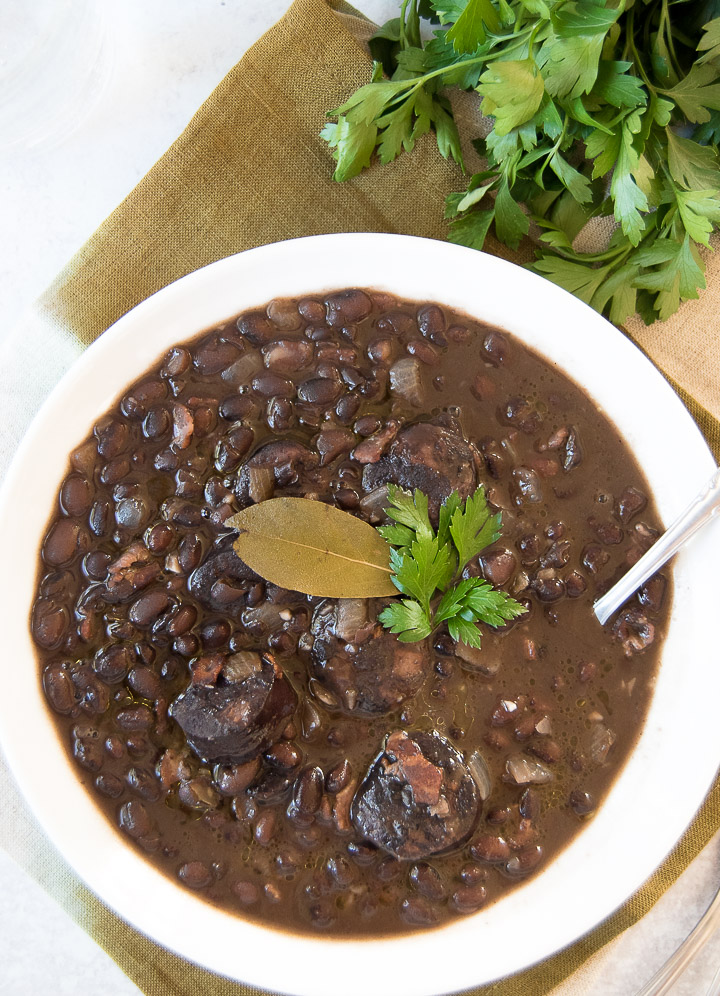
The Enduring Appeal of Brazilian Black Beans: A Culinary Deep Dive
Few ingredients hold as much sway in a nation's culinary identity as brazilian black beans do in Brazil. More than just a simple legume, these humble beans are the very bedrock of countless meals, a symbol of comfort, tradition, and the vibrant tapestry of Brazilian gastronomy. From the everyday family dinner to festive celebrations, their rich flavor and creamy texture are a constant, comforting presence. Often simmered to perfection and infused with aromatic spices, brazilian black beans offer an unparalleled depth that transforms any dish into a hearty, satisfying experience. While often associated with the iconic Feijoada, their versatility extends far beyond, making them an indispensable ingredient for home cooks and chefs alike looking to explore the authentic flavors of Brazil.
Beyond Feijoada: Unlocking the Versatility of Brazilian Black Beans
While Feijoada reigns supreme as the national dish showcasing the grandeur of brazilian black beans, to limit their potential to this single masterpiece would be to overlook a world of culinary possibilities. Brazilian black beans are incredibly adaptable, capable of taking center stage or playing a crucial supporting role in a diverse array of dishes.
Everyday Staples and Innovative Creations:
- Feijão com Arroz (Beans with Rice): The quintessential Brazilian meal. A simple bowl of perfectly cooked black beans, often saucy, poured over fluffy white rice is a daily ritual for millions. It's a testament to how profoundly delicious and satisfying simplicity can be.
- Caldo de Feijão (Bean Soup): A comforting, thick soup made from pureed black beans, often seasoned with garlic, onion, and a touch of bacon or sausage. It's a popular appetizer or a light, warming meal, especially on cooler days.
- Tutú de Feijão: A denser, creamier bean paste often prepared by mashing cooked beans with manioc flour (farinha de mandioca) and seasonings. It creates a thick, almost polenta-like consistency, perfect for serving alongside grilled meats or fried eggs.
- Feijão Tropeiro: Hailing from Minas Gerais, this is a hearty dish where cooked black beans are mixed with fried bacon, sausage, collard greens, scrambled eggs, and manioc flour, creating a rich, textural marvel. It’s a complete meal in itself.
- Vegetarian & Vegan Adaptations: For those seeking plant-based options, brazilian black beans are a dream. They can be pureed into savory spreads, formed into delicious veggie burgers, or added to salads for a protein boost. Their robust flavor holds up well to various spices and vegetables.
- Pastel de Feijão (Bean Pastries): In some regions, black bean paste is used as a filling for savory fried pastries, offering a delightful textural contrast and rich flavor.
The beauty of brazilian black beans lies in their ability to absorb flavors while maintaining their distinct earthy taste. Whether you're looking for a quick weeknight meal or an impressive dish for entertaining, experimenting with these beans will open up a world of authentic Brazilian flavors.
Mastering the Art of Cooking Brazilian Black Beans
While the concept of cooking beans might seem straightforward, achieving the perfect consistency and flavor of traditional brazilian black beans involves a few key techniques. The goal is a creamy, tender bean with a rich, flavorful broth, not a watery soup or a mushy paste.
1. Soaking: The Foundation of Flavor and Texture
Soaking your black beans is a crucial step for several reasons:
- Reduces Cooking Time: Soaked beans cook significantly faster and more evenly.
- Improves Digestion: Soaking helps to break down oligosaccharides, the complex sugars responsible for gas and indigestion.
- Enhances Texture: It helps ensure the beans cook through without bursting or becoming overly mushy.
Method: Rinse 1 lb (approx. 450g) of dried brazilian black beans thoroughly. Place them in a large bowl and cover with at least 3 times their volume of cold water. Soak overnight (8-12 hours). Alternatively, for a quick soak, bring the beans and water to a boil, boil for 5 minutes, then remove from heat, cover, and let stand for 1-2 hours. Always discard the soaking water before cooking and rinse the beans again.
2. The Cooking Process: Stovetop vs. Pressure Cooker
Both methods yield excellent results, but cater to different time constraints:
- Pressure Cooker (Recommended for Speed):
After soaking and rinsing, place beans in the pressure cooker. Cover with fresh water, ensuring it's about 1-2 inches above the beans (approximately 6-8 cups of water per 1 lb of beans). Add 1-2 bay leaves. Cook on high pressure for 20-30 minutes once the cooker reaches full pressure. Allow natural release or quick release after 10 minutes. Check for tenderness; if not soft enough, cook for another 5-10 minutes.
- Stovetop (Traditional Method):
After soaking and rinsing, place beans in a large, heavy-bottomed pot. Cover with fresh water (same ratio as above) and add bay leaves. Bring to a boil, then reduce heat to a gentle simmer. Cook, partially covered, for 1.5-3 hours, or until beans are tender. Stir occasionally and add more hot water if needed to keep them submerged.
Practical Tip: Do NOT add salt during the initial cooking phase. Salt can toughen the bean skins, prolonging cooking time. Season later during the refogado (sautéed base).
3. The 'Refogado': The Heart of Flavor
This is where the magic truly happens. The refogado is a flavorful sautéed base that transforms the cooked beans into a rich, aromatic dish.
- Ingredients: Olive oil or a bit of bacon fat, minced garlic (plenty!), chopped onion, and sometimes a piece of smoked pork belly or bacon (optional, but traditional for depth).
- Method:
- In a separate pan (or the pressure cooker pot once beans are cooked and removed), heat oil/fat over medium heat.
- Add diced bacon/pork belly (if using) and cook until crispy. Remove cracklings for garnish, leaving the rendered fat.
- Add chopped onion and sauté until translucent.
- Add minced garlic and cook for another minute until fragrant (be careful not to burn it).
- Spoon a few ladles of cooked beans (with some of their cooking liquid) into the refogado pan. Mash some of the beans against the side of the pan with the back of a spoon to thicken the sauce.
- Pour the refogado mixture back into the main pot of beans. Stir well.
- Season generously with salt and freshly ground black pepper. Adjust consistency by adding more bean cooking liquid or a little hot water if too thick, or simmering uncovered to reduce if too thin.
- Simmer for at least 15-20 minutes, allowing the flavors to meld.
The result should be tender, creamy brazilian black beans suspended in a luscious, deeply flavored, thick sauce – perfect for pouring over rice.
The Nutritional Powerhouse of Brazilian Black Beans
Beyond their incredible flavor and cultural significance, brazilian black beans are a nutritional marvel. They are an integral part of a healthy diet, offering a wealth of benefits that contribute to overall well-being.
- Rich in Fiber: Black beans are exceptionally high in dietary fiber, both soluble and insoluble. This promotes digestive health, helps regulate blood sugar levels, and contributes to a feeling of fullness, aiding in weight management.
- Excellent Source of Plant-Based Protein: For vegetarians, vegans, and anyone looking to reduce meat consumption, black beans provide a substantial amount of protein essential for muscle repair, growth, and overall body function. When paired with rice, they form a complete protein, supplying all nine essential amino acids.
- Abundant in Vitamins and Minerals: These beans are packed with vital micronutrients, including:
- Iron: Crucial for oxygen transport and energy production.
- Magnesium: Important for muscle and nerve function, blood glucose control, and blood pressure regulation.
- Folate (Vitamin B9): Essential for cell growth and function, particularly important during pregnancy.
- Potassium: Helps maintain fluid balance and blood pressure.
- Manganese: Involved in bone formation and metabolism.
- Antioxidant Properties: Black beans contain anthocyanins, powerful antioxidants that give them their dark color. These compounds help combat free radicals in the body, potentially reducing the risk of chronic diseases.
- Heart Health Benefits: The combination of fiber, potassium, folate, and magnesium in black beans supports cardiovascular health by helping to lower cholesterol levels and maintain healthy blood pressure.
Incorporating brazilian black beans into your diet is a delicious and effortless way to boost your nutrient intake and support a healthy lifestyle. Their affordability and versatility make them an accessible superfood for everyone.
Conclusion
Brazilian black beans are much more than a simple foodstuff; they are a culinary cornerstone, a symbol of heritage, and a testament to the power of simple ingredients to create profound culinary experiences. From the daily sustenance they provide to the celebratory heartiness of Feijoada, their creamy texture, deep flavor, and remarkable nutritional profile make them a global culinary treasure. Whether you're a seasoned chef or an adventurous home cook, mastering the preparation of these magnificent beans will unlock a world of authentic Brazilian flavors and bring a taste of South American warmth right into your kitchen. Embrace the humble, yet extraordinary, brazilian black beans, and let them inspire your next delicious meal.
